
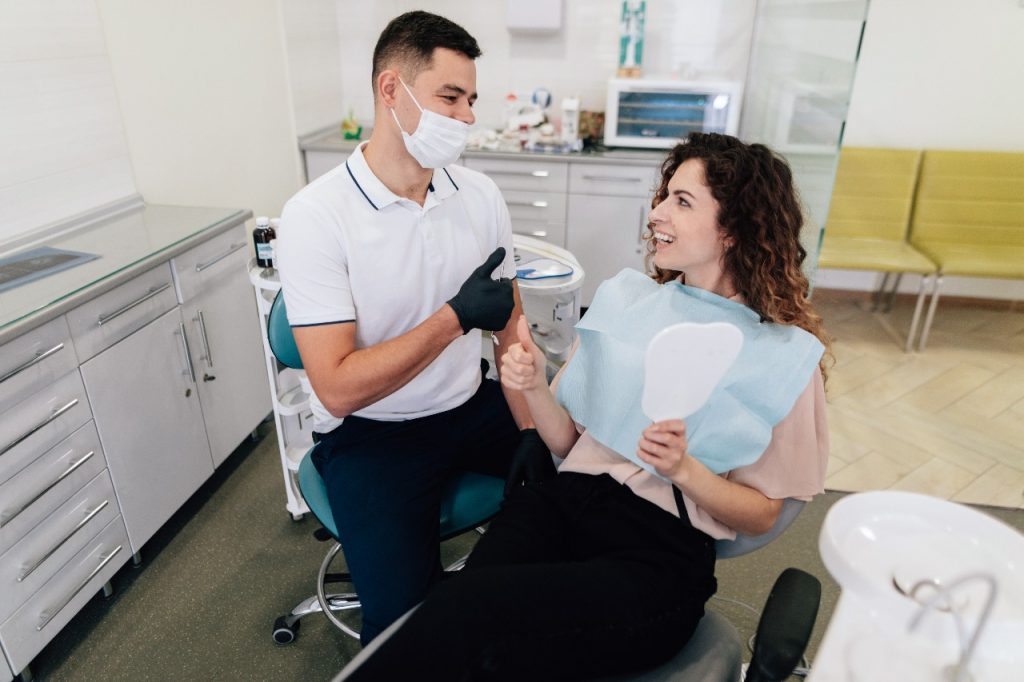
When people think of dentures, they often imagine a full set of artificial teeth. However, for those who have lost just one tooth, a single tooth denture can be the perfect solution. This blog article explores everything you need to know about single tooth dentures, from how they work to their benefits, cost, and comparison with other dental treatments.
What Is a Single Tooth Denture?
A single tooth denture, also known as a partial denture or single-tooth prosthesis, is a removable replacement for a missing tooth. It is designed to fit snugly between your natural teeth and help restore the appearance and functionality of your smile. The denture consists of a prosthetic tooth, which is matched to your natural tooth colour and gum line, supported by an acrylic or metal base that fits into the mouth.
Unlike other restorative options, such as dental implants or bridges, single tooth dentures are removable and do not require any invasive procedures.
What Are the Advantages of a Single Tooth Denture?
There are several advantages to choosing a single tooth denture over other tooth replacement options. These benefits include:
- Affordability: Single tooth dentures are typically less expensive than dental implants or bridges. They offer a cost-effective solution for those looking for a more budget-friendly treatment.
- Non-Invasive: Unlike dental implants, which require surgery, or bridges, which require modifying adjacent teeth, a single tooth denture is non-invasive.
- Removability: Single tooth dentures can be easily removed for cleaning and maintenance, which adds a layer of convenience to your oral hygiene routine.
- Customisable: Each denture is custom-made to match the patient’s teeth and gum structure, ensuring a natural look.
- Restored Functionality: Missing teeth can make chewing difficult, but a single tooth denture restores function, making it easier to eat and speak.
How Do Single Tooth Dentures Compare to Other Tooth Replacement Options?
| Feature | Single Tooth Denture | Dental Implant | Dental Bridge |
| Cost | More affordable than implants and bridges | Generally the most expensive option | Moderately priced |
| Procedure | Non-invasive, no surgery required | Surgical procedure required | Requires reshaping adjacent teeth |
| Durability | May need replacing every 5-7 years | Can last 20 years or more with proper care | Can last 10-15 years |
| Aesthetics | Custom-made to match natural teeth | Most natural-looking option | Blends with natural teeth |
| Maintenance | Removable, easy to clean | Permanent, requires normal brushing | Permanent, requires special flossing tools |
What Are the Attributes of a Single Tooth Denture?
There are several key attributes that distinguish single tooth dentures from other dental prosthetics. Here’s a breakdown:
- Material: The base of a single tooth denture can be made from acrylic resin, cobalt-chromium, or a combination of materials. The tooth itself is crafted from porcelain or composite resin, making it both durable and aesthetically pleasing.
- Fit: Dentures are designed to fit snugly in the gap left by a missing tooth. Some may have metal clasps or precision attachments to ensure a secure fit.
- Maintenance: Single tooth dentures are removable, which allows for easy cleaning. Patients are advised to remove the denture at night and soak it in a cleaning solution to maintain hygiene.
- Customisation: Each denture is individually crafted to match the patient’s natural teeth, both in shape and colour.
- Comfort: With advances in dental materials and technology, modern dentures are lightweight, comfortable, and can be worn without causing discomfort to the surrounding gums.
How Long Does It Take to Get a Single Tooth Denture?
The process of getting a single tooth denture typically involves the following steps:
- Consultation and Assessment: Your dentist will assess the gap left by the missing tooth and evaluate the surrounding teeth and gums. They may take X-rays to ensure there are no underlying problems.
- Impressions: Moulds or impressions of your teeth and gums will be taken to create a denture that fits perfectly.
- Customisation: A dental lab will craft your single tooth denture based on the impressions taken.
- Fitting: Once the denture is ready, it will be fitted to ensure it fits securely and comfortably. Your dentist may make minor adjustments to improve comfort and functionality.
- Follow-up: A follow-up appointment may be necessary to make further adjustments or to check the health of your gums.
In total, the process may take 2-4 weeks, depending on the complexity of the case.
What Should You Consider Before Getting a Single Tooth Denture?
Before opting for a single tooth denture, consider the following factors:
- Gum Health: Healthy gums are essential for a comfortable denture fit. If you have gum disease, your dentist sydney cbd may recommend treating the condition before fitting the denture.
- Bone Density: Although a denture doesn’t rely on bone for support as a dental implant does, the condition of your jawbone may still impact the overall fit and comfort.
- Long-Term Maintenance: Single tooth dentures need regular cleaning and occasional adjustments by your dentist. If cared for properly, they can last for several years, but they will eventually need replacement.
- Alternatives: Dental implants and bridges are alternative options. Dental implants are a more permanent, durable solution but require surgery and are costlier. A bridge involves altering adjacent teeth to support a prosthetic tooth but doesn’t require surgery like an implant.
What Is the Cost of a Single Tooth Denture?
The cost of a single tooth denture in Australia can vary based on several factors, including the materials used, the complexity of the case, and the location of the dental practice. On average, you can expect to pay between AUD 600 and AUD 1,200 for a high-quality single tooth denture.
Health insurance can help offset some of the costs, especially if your plan covers restorative dentistry. However, it’s essential to check with your provider to understand the specifics of your coverage.
How Do You Care for a Single Tooth Denture?
Proper care is essential to ensure the longevity and effectiveness of your denture. Here are some tips for maintaining a single tooth denture:
- Daily Cleaning: Clean your denture every day by brushing it with a soft toothbrush and non-abrasive toothpaste. Avoid using hot water, as this can warp the materials.
- Soaking Overnight: Remove your denture at night and soak it in a denture cleaning solution or water to prevent it from drying out and to maintain its shape.
- Regular Dental Visits: Visit your dentist regularly to check the fit of your denture and to ensure there are no issues with your gums or remaining teeth.
- Handling with Care: Dentures can be fragile, so handle them carefully to avoid accidental damage, such as dropping them.
What Research Supports the Use of Single Tooth Dentures?
Research supports the use of single tooth dentures as an effective and affordable option for replacing missing teeth. Studies have shown that single tooth dentures can improve oral functionality and aesthetics without the need for invasive procedures like implants or bridges.
According to the Australian Dental Association, patients who opt for dentures report high satisfaction levels when it comes to comfort and function, especially when proper care and maintenance are followed.
For those concerned about the cost of dental treatments, Medicare’s Child Dental Benefits Schedule (CDBS) may offer assistance for children under 17, helping to cover some of the expenses related to dental prosthetics and other treatments.
What Are the Alternatives to Single Tooth Dentures?
If you’re considering alternatives to single tooth dentures, there are several options available:
- Dental Implants: Dental implants are a more permanent solution and are fixed directly into the jawbone. They offer superior durability and aesthetics but come with a higher price point and require surgery.
- Dental Bridges: Bridges are supported by the adjacent teeth and can effectively fill the gap of a missing tooth. However, they require altering healthy teeth, which some patients may wish to avoid.
For more information on tooth replacement options and to explore whether a single tooth denture is right for you, you can contact Macquarie Dental for a consultation. Their team of dental professionals is committed to providing tailored solutions for each patient’s unique needs.
Read More: How Should You Clean Your Dentures Effectively?
References:
Here are 6 FAQs and their answers on Single Tooth Dentures:
1. What is a single tooth denture?
A single tooth denture is a removable prosthetic designed to replace a single missing tooth. It fits between the surrounding natural teeth and restores both the appearance and function of the lost tooth. It is a cost-effective and non-invasive option compared to implants or bridges.
2. How long does it take to get a single tooth denture?
The process of getting a single tooth denture typically takes 2-4 weeks. After an initial consultation and assessment, your dentist will take impressions of your teeth, which are sent to a lab to custom make the denture. Once it’s ready, you will return for fitting and adjustments.
3. How do I care for my single tooth denture?
To maintain your single tooth denture, clean it daily with a soft toothbrush and non-abrasive toothpaste. Soak it in a denture cleaning solution or water overnight to preserve its shape. Regular dental check-ups are essential to ensure the denture fits properly and there are no gum issues.
4. What are the advantages of a single tooth denture compared to a dental implant?
Single tooth dentures are more affordable, non-invasive, and removable, making them a good choice for those who prefer a less permanent solution. In contrast, dental implants are permanent and provide superior durability but require surgery and a higher upfront cost.
5. How much does a single tooth denture cost in Australia?
The cost of a single tooth denture in Australia generally ranges from AUD 600 to AUD 1,200. The price depends on the materials used, the complexity of the denture, and the location of the dental practice. Health insurance may cover part of the cost if you have restorative dental coverage.
6. Can I eat and speak normally with a single tooth denture?
Yes, a well-fitted single tooth denture allows you to eat and speak normally. While there may be a short adjustment period, once accustomed to the denture, most patients report significant improvements in chewing and speech.